
The Brain, the Battle, and the Lie of More: Why Pornography Hijacks the Mind

Pornography addiction isn't just a bad habit. It changes the way the brain processes reward, relationships, and even hope.
Many people wonder why they can stop drinking, stop smoking, or overcome other habits, yet pornography seems to keep pulling them back. The answer is found in both neuroscience and Scripture.
Every time someone views pornography, the brain releases dopamine, a neurotransmitter associated with anticipation, pleasure, and motivation. Over time, repeated exposure teaches the brain to crave increasingly intense stimulation. What once seemed exciting becomes ordinary, leading many people into an endless search for something more stimulating.
But Scripture explained this battle long before neuroscience existed.
James writes that temptation gives birth to sin, and sin ultimately leads to death (James 1:14–15). Sin promises satisfaction but always demands more than it gives.
Pornography is ancient idolatry in digital form. It convinces us to worship pleasure instead of God.
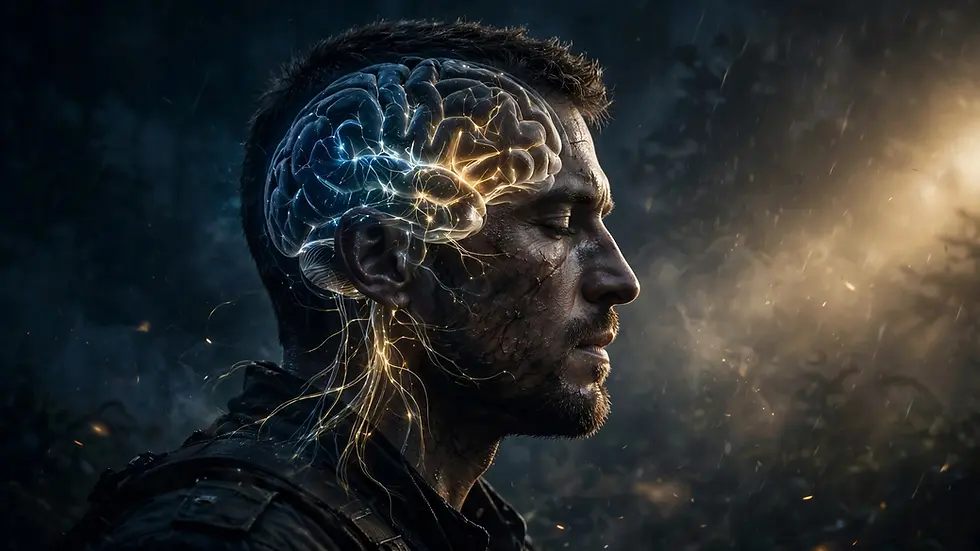
The good news is that God designed the brain to heal.
Research shows that when someone stops consuming pornography, builds healthy relationships, exercises, prays, studies Scripture, and develops new habits, the brain begins forming healthier pathways.
Freedom isn't simply about saying "no" to pornography.
It's about saying "yes" to becoming the man God created you to be.
Real recovery addresses:
Your relationship with Christ
Childhood wounds
Healthy accountability
Daily discipline
Purpose
Brotherhood
Healing is possible.
Christ didn't simply come to forgive your sin.
He came to transform your life.
"It is for freedom that Christ has set us free. Stand firm, then, and do not let yourselves be burdened again by a yoke of slavery." Galatians 5:1

Comments